I made it back!
I did the race and I got out before Argentina went into lock down.
Thanks for all your support leading up to the challenge, your messages of support and knowing that you’d pledged money – I raised over £3000 for Autism Angels and Cool Earth! – kept me going through hard times.
WARNING – LONG READ…
Before I left the UK my life had become totally consumed with thinking about the race, what I needed for the race, practising and training and imagining scenarios that might happen in the race (thanks to lots of you who were part of this!). (How to get ready for a Gaucho Derby)
I travelled out to El Calafate and met the other riders, then as a group we travelled by truck up to start camp – an Argentine sheep station deep in the emptiness of Patagonia.
Of the 20 or so riders quite a number were in pairs or knew others in the group who were riding, for those of us taking the challenge on on our own I think we were doing a lot of figuring things out for ourselves. Or at least I was. We spent a couple of days getting our riding kit and pack saddles, trying it on random horses and weighing our personal items so we were ready for the start on March 5th. It was constant. We slept in a shed on camp beds. Our stuff piled on the floor around us.
Horses all wore numbered headcollars and competitors drew numbers out of a hat (an Argentine boina… cross between a beret and a flat cap) to see who they would start out with. I picked 2 sensible types, a typical dun coloured Gaucho horse and a more thoroughbred-type chestnut.
Those first days I planned to ride with a Canadian called Nichole. We camped with our 4 horses on night 1, half-way up a mountainside on a shelf big enough to be small paddock, were used local hobbles to keep our horses nearby. The following day one of Nichole’s horses decided to make a break for freedom and she had to wait at co-ordinates supplied by HQ for help. I had the choice to ride on to vet station 2 and remain in the competition or to stay with N. It was an awful decision to have to make, but N was happy, the weather was good and I had 2 decent horses, so I decided to ride on to VS2 on my own.
About 8 hours later, I had ridden through some of the toughest terrain I’ve ever been in, lost saddle bags with my sleeping bag, spare clothes and food inside, had to walk, scrabble and lead one horse at a time down a sliding slate mountainside, been stuck in a bog with a horse fallen on top of me, navigated goodness knows how far – crow flying gps distances bear no resemblance to the actual lengths of the wild rocky valleys we travelled), been blown around, rained, hailed and sleeted on, run, led and talked to my horses like a half-crazy person to coax them along into weather they resented and directions they did not agree with. Finally, just after 8pm as night fell I arrived at vet station 2.
It was great to see other people at VS2. I would have really struggled with just my tent and emergency rations in my backpack if I hadn’t made it. We were all there a little longer than planned due to bad weather. It snowed overnight and continued into a blizzard the next day… in due course we were joined by some other riders who had tried to get to VS3 but couldn’t. We dealt with our hypothermic arrivals, stoking up the fire and drying their sodden clothes. We shared food (I didn’t have any), tried to keep dry (a large chunk of roof was missing on our little ‘puesto’ – shepherds’ hut and so it was wet inside and out) and warm, I slept on a wooden bench in an emergency foil blanket in borrowed dry trousers. Our horses shivered outside in the snow. Others had an even tougher time of it and we discovered four were airlifted off the mountain with hypothermia.
After two nights in the puesto, HQ messaged to say that we should evacuate out the way we had come. So we used our numbed swollen fingers and hands to tack up the horses we still had – unsurprisingly some had banded together and had dispersed into the woods and down the valley. The raw-hide bridles were soaked through, in any case mine didn’t fit the chestnut and I rode in just the halter. We rounded up and were joined by our spare horses as we moved steadily past the lake and onto the wide bog-strewn valley floor, making our way back to Vet Station 1.
Amazingly my saddle bags were retrieved along the way and we all made it back. We even picked up Nichole’s horse who had made a run for it 3 days previously.
It was about now that I thought about stopping racing and just joy-riding-hanging-with-the-crew to the finish line. But there was nothing physically wrong with me. I just felt so pleased that I’d navigated to vet station 2 on my own with my two horses, and felt lucky to have made it out, that I thought maybe that was enough for me.
Not wanting to let down my good and generous sponsors, I got a good night’s sleep, had a word with myself and carried on.
On day 5, test-riding an Arab pulled from a hat, didn’t go as planned, as it became clear within seconds of getting on that I didn’t have any brakes. Being run away with over unfamiliar terrain at speed was not fun. I won’t go into the details, but I held on a fair while, and finally shuffled out of the side door and landed squarely on my back. The medics were fab and gave me lots of pain killers from that moment on right until the end of the ride.

By the end of the race the bruising – after another 5 days of riding and 5 nights sleeping on the ground – was just beginning to show, my lower back and bottom went black. Anyway, so creaking in pain, and with a right leg that didn’t now seem to work very well, I rode on. Some lovely competitors – some dealing with their own injuries – kept me company and kept me motivated.
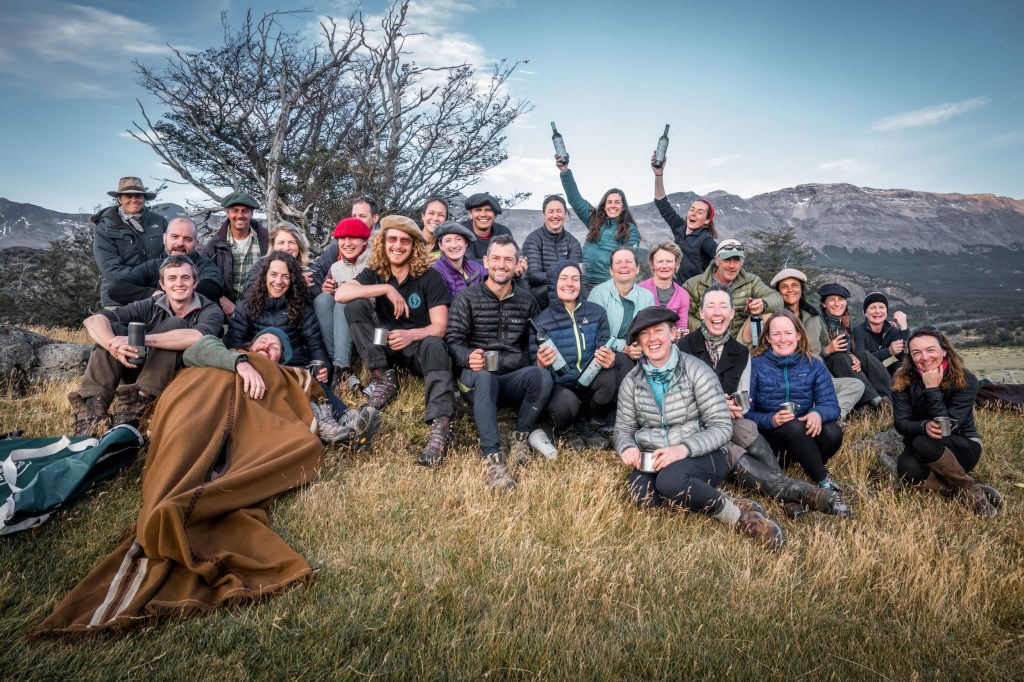
Days passed. Riding, packing up kit, unpacking kit, eating great Argentine food at vet station camps and rubbish freeze-dried food at small mountainside night-stops. I wore my waterproof trousers nearly all the time so I didn’t get wet kneeling on the ground. I wore my jacket to sleep in. Walls or fences are so grossly under-rated here in the UK, I would so have loved either to be able to hang a saddle or bridle on something, anything, instead of hefting everything around from the floor to 5ft high horse. Time was either spent riding/leading horses up/down rocky mountain-sides, or grovelling around in the dirt on your knees putting up or taking down camp.

On the penultimate day I had linked up with a group of faster riders, we were all desperate to make the finish with one last hard push. We’d been told it was possible and we were going for it. As the lame duck of the pack, still suffering with my bad back, I had to work so hard to keep up – especially as I’d lost my gps and would be utterly lost myself if I didn’t keep up with the group. It wasn’t an easy route, we couldn’t find a way up and over the ridge and finally called it a day and camped by an isolated cattle coral. The following morning – buoyed up by the thought that this HAD to be the last day, I woke at 5 to make sure I was packed and had eaten something to get me through and ready for a 7.30am departure. It was a long long long way up.
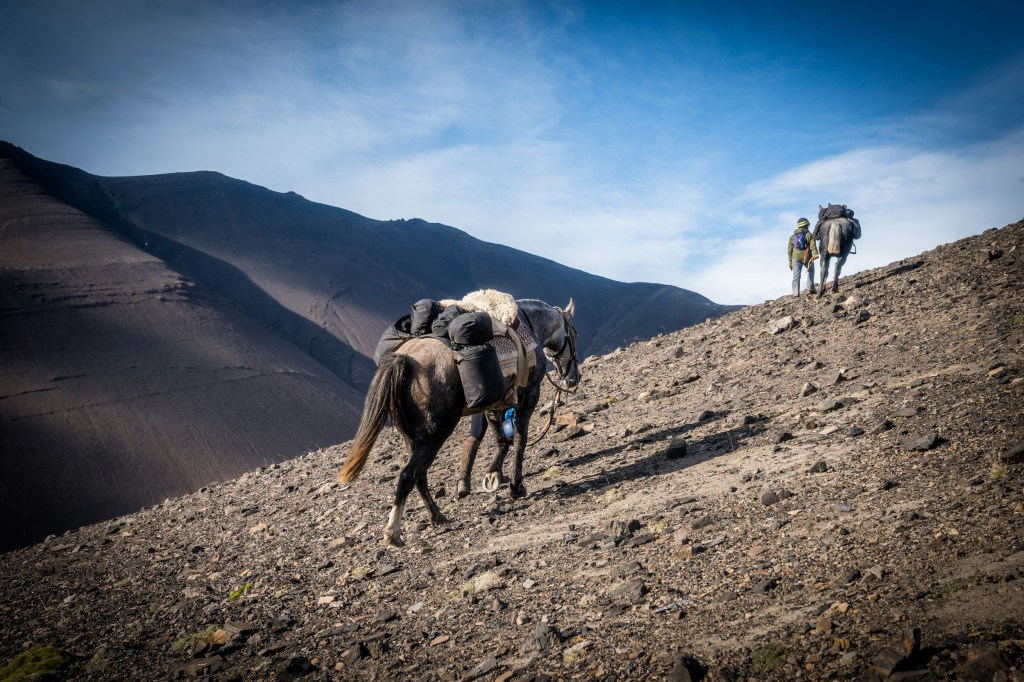
After riding, walking and walking and scrabbling to crest the ridge for a few hours, at around 9am we crested the top – it was a special view of Mount Fitroy and the glaciers edging down the valleys dead head.

I’ll let you take a moment just to appreciate that. We did. Although apparently not long enough for me to get a good picture of myself and my horse, before we moved on.

Almost better than the view was, waaaaaay down, in the valley bottom to the South… a small town. I exhaled slowly, no matter what happened today, I was pretty sure I could find my way to civilisation now.
We ambled and ate Haribo down the other side of the mountain, following hoof prints that turned into cattle and horse tracks. Soon we were galloping through the lower slopes, meeting up with other riders, all making their way to the finish line. My horse was tired, so was I, he was whinnying to his four-legged friends to wait for him as we trotted and cantered a couple of hundred yards behind everyone else, just trying to keep them in view. Then all of a sudden, we broke through trees and saw the river, wide and fast-flowing. There were people on the other side, people I knew, recognise the shapes of their bodies and the colours of their jackets, relief flooded through me. It was over. I held back my tears.
Well obviously I had to cross the river, but that was no biggie, even if it went wrong, they’d see me and fish me out. Somewhere behind them was a hotel, with a bed for me and a shower. I wouldn’t ever have to drag myself and aching back into the saddle again if I didn’t want to.
The end.
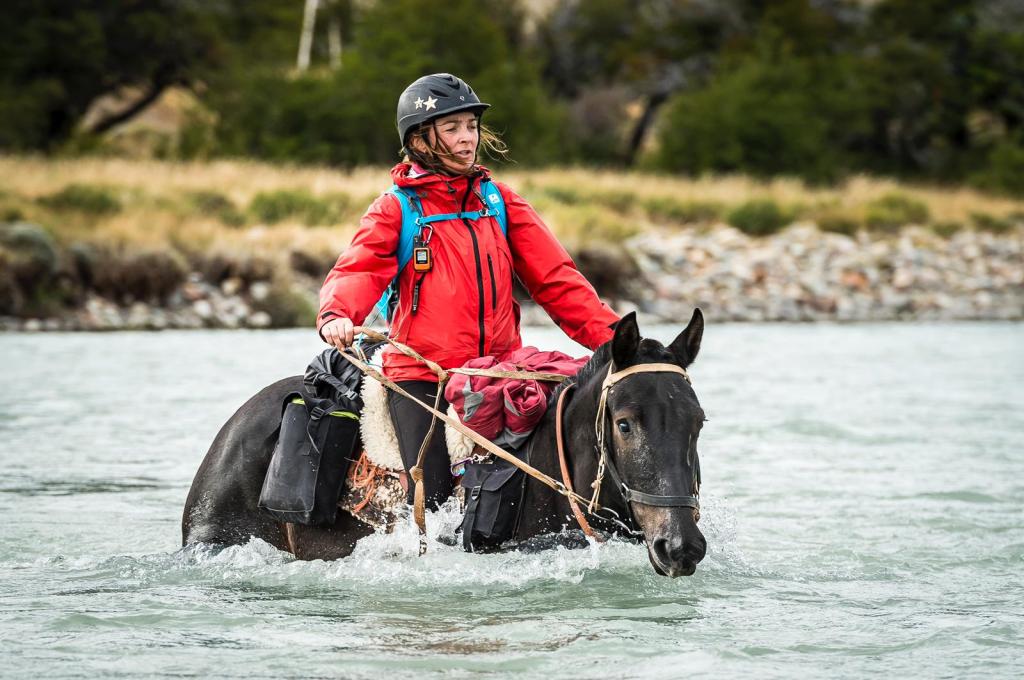
Again. Take a moment. Exhale. Feel my relief.

I did make it across the river – and there was a hotel and a shower. But there wasn’t any relaxing or shopping or birthday celebrating (sorry, Chris Maude) (there was a bit of relief beer and wine drinking); it was almost immediately usurped by onward travel panic.
Anecdotal stories of cancelled flights, coronavirus shut down and militia on the streets in Argentina were scary and accurate. I cut my losses (specifically 5 days with friends – our planned post-race holiday in Buenos Aires) and went to the airport, was very thankful for my limited Spanish language skills, and managed to get a standby seat on a flight out of El Calafate and up to Buenos Aires, and after that another to Sao Paulo, then London and finally Manchester. Relief flowing through me with every flight I got on. It was incredibly good to be home. And now I am staying at home to save lives. And that is fine by me.
Thanks for sponsoring me. And no, I won’t be doing it again.
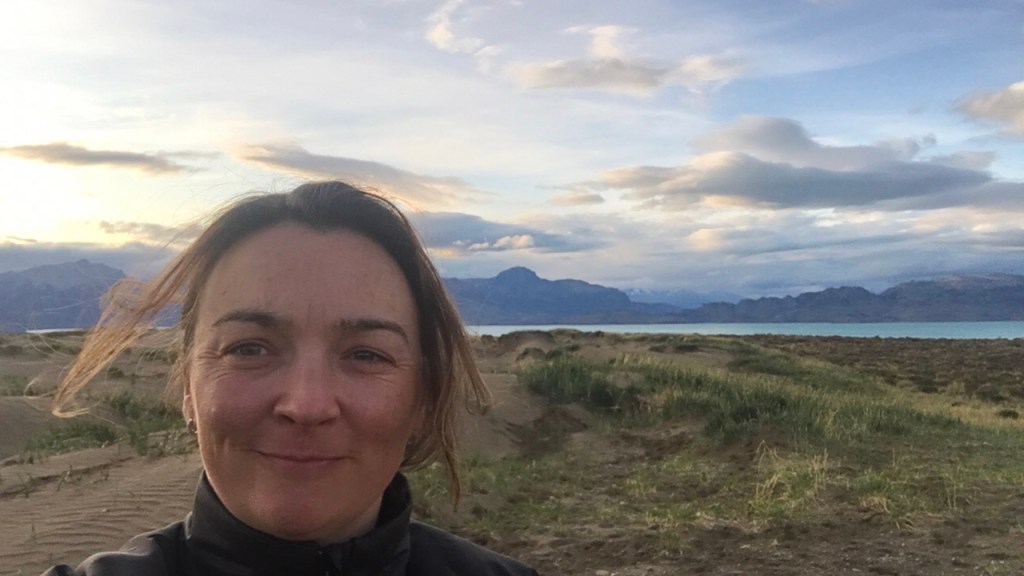

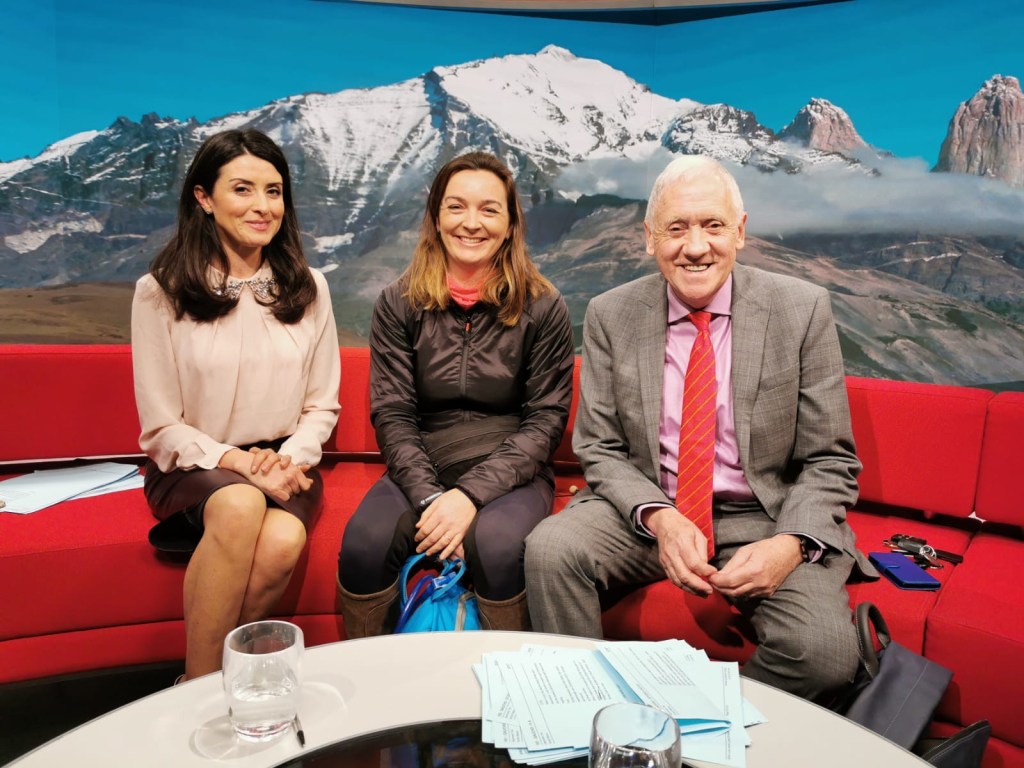


 Shirley Haywood - Programme Manager and Adventure Horse Rider